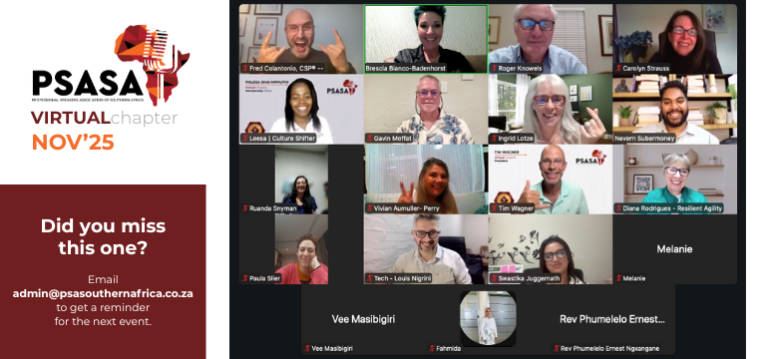
In a recent Zoom session, Fred Colantonio, former criminologist and corporate behavioural analyst, shared how understanding human behaviour, beyond just tools, methods, or AI, drives innovation and professional success.
Fred’s insights help leaders and teams turn obstacles into opportunities, overcome internal blocks, and unlock peak performance in both professional and personal contexts.
Fred introduced four behavioural patterns essential for innovation:
- Phoebe, the Enthusiast: Creative idea generators who thrive on imagination and possibilities.
- Katniss, the Adventurer: Action-oriented doers who turn ideas into reality through bold execution.
- MacGyver, the Problem-Solver: Practical innovators who respond to challenges with ingenuity and resourcefulness.
- Louis de Funès, Mr./Mrs. Skeptical, the Questioner: Critical thinkers who balance ideas, challenge assumptions, and ensure the team stays on track.
Each person has a dominant and secondary pattern that shapes how they operate. No one embodies all four behaviours, but effective teams combine them to cover blind spots and foster balanced innovation.
Top Takeaways:
1. Progress often stalls because of “Yes, but…” thinking—fear, self-doubt, perfectionism, or lack of confidence. Addressing these human factors is more impactful than relying solely on methods or AI.
2. Collaboration is essential. Surround yourself with people whose strengths complement your weaknesses, forming a team that covers all four behavioural patterns.
3. Behaviour, not personality, drives results. Experimentation, leveraging diverse strengths, and understanding your own and your team’s patterns transform obstacles into opportunities.
Fred also highlighted AI as a helpful “super assistant” that can support perspective and problem-solving but emphasised that human insight remains irreplaceable.
Ultimately, innovation succeeds when we understand our own patterns, embrace others’ differences, and confront internal blocks with courage, collaboration, and curiosity. Applying these principles empowers teams to move past fear and doubt, turning challenges into meaningful progress.
Written by:
Ruanda Snyman, Associate member